Protocol For Life

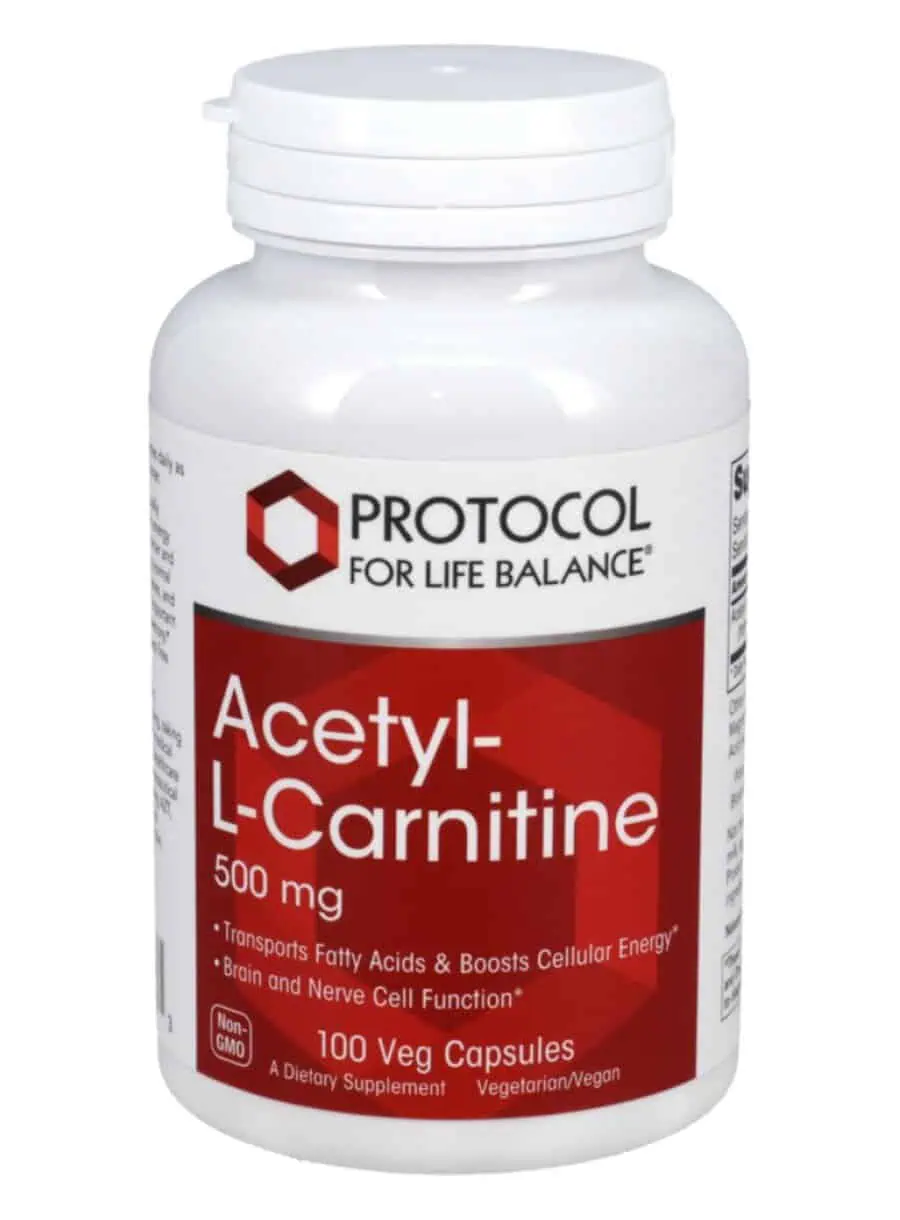
Acetyl-L-Carnitine 500mg

$32.00

SIZE: 100 Capsules

*Free shipping applies to orders shipped within the Lower 48 States.


Free shipping on orders over $99.

The Promise

Product Identity Acetyl‑L‑Carnitine 500 mg veg capsule

Single‑ingredient acetyl‑L‑carnitine supplement in a vegetarian capsule.

Active ingredient

Acetyl‑L‑Carnitine 500 mg per veg capsule.

Ingredient form

Provided as Acetyl‑L‑Carnitine HCl (source specified on label).

Capsule & excipients

Vegetarian cellulose capsule with vegetable‑source magnesium stearate and stearic acid.

Allergen & content facts

Does not contain yeast, wheat, gluten, soy, milk, egg, fish, shellfish, or tree nuts.

Why It Works

Formulation Details Concrete ingredient amounts and label facts

Label lists precise amount, ingredient source, and non‑allergenic statements.

01

Dosage per capsule

Each capsule supplies 500 mg acetyl‑L‑carnitine.

02

Chemical form listed

Acetyl‑L‑Carnitine is listed as Acetyl‑L‑Carnitine HCl on the Supplement Facts.

03

Inactive ingredients

Capsule composed of cellulose; includes vegetable magnesium stearate and stearic acid.

04

Allergen declaration

Label explicitly states absence of common allergens: gluten, soy, dairy, eggs, fish, shellfish, tree nuts, yeast.

Reviews

Customer Reviews

Your Journey

Usage & Safety Label directions, cautions, and practitioner guidance

Follow labeled serving instructions and heed listed warnings and medication cautions.

Serving

Take 1 capsule 1–3 times daily

Recommended: 1 capsule one to three times per day; intensive use up to 8 capsules daily under healthcare practitioner supervision.

Format

Vegetarian capsule format

One veg capsule per serving; inactive ingredients include cellulose, vegetable magnesium stearate, and stearic acid.

Warnings

Medication interactions noted

ALC may interact with anticoagulant medications; consult your healthcare practitioner if taking medications.

Precautions

Pregnancy, nursing, and certain meds

If pregnant or nursing, taking medication, or having a medical condition, consult your healthcare practitioner; some pharmaceuticals (AZT, certain antibiotics, isotretinoin, carbamazepine, phenobarbital, phenytoin, valproic acid) may increase need for ALC.

Product education

Acetyl-L-Carnitine 500mg by Protocol For Life

Acetyl-L-Carnitine 500mg — This supplement is designed to transport fatty acids and boost cellular energy, making it ideal for those looking to enhance brain and nerve cell function. Acetyl-L-Carnitine (ALC) is a naturally occurring component of fat metabolism and cellular energy production. It readily crosses the blood-brain barrier, promoting healthy nerve cell function by maintaining normal mitochondrial bioenergetics, stabilizing cell membranes, and contributing to the production of acetylcholine, an important neurotransmitter that plays a role in learning and memory. ALC also supports the brain’s natural defenses against free radical attack.*

Key Benefits

  • Transports Fatty Acids & Boosts Cellular Energy*
  • Brain and Nerve Cell Function*

How It Works / Key Ingredients

Acetyl-L-Carnitine is crucial for energy production and supports cognitive health by enhancing neurotransmitter function.*

How to Use

Take 1 capsule 1 to 3 times daily as needed. For intensive use, take up to 8 capsules daily under the supervision of a healthcare practitioner.

Supplement record

Review serving details and ingredients for this product.

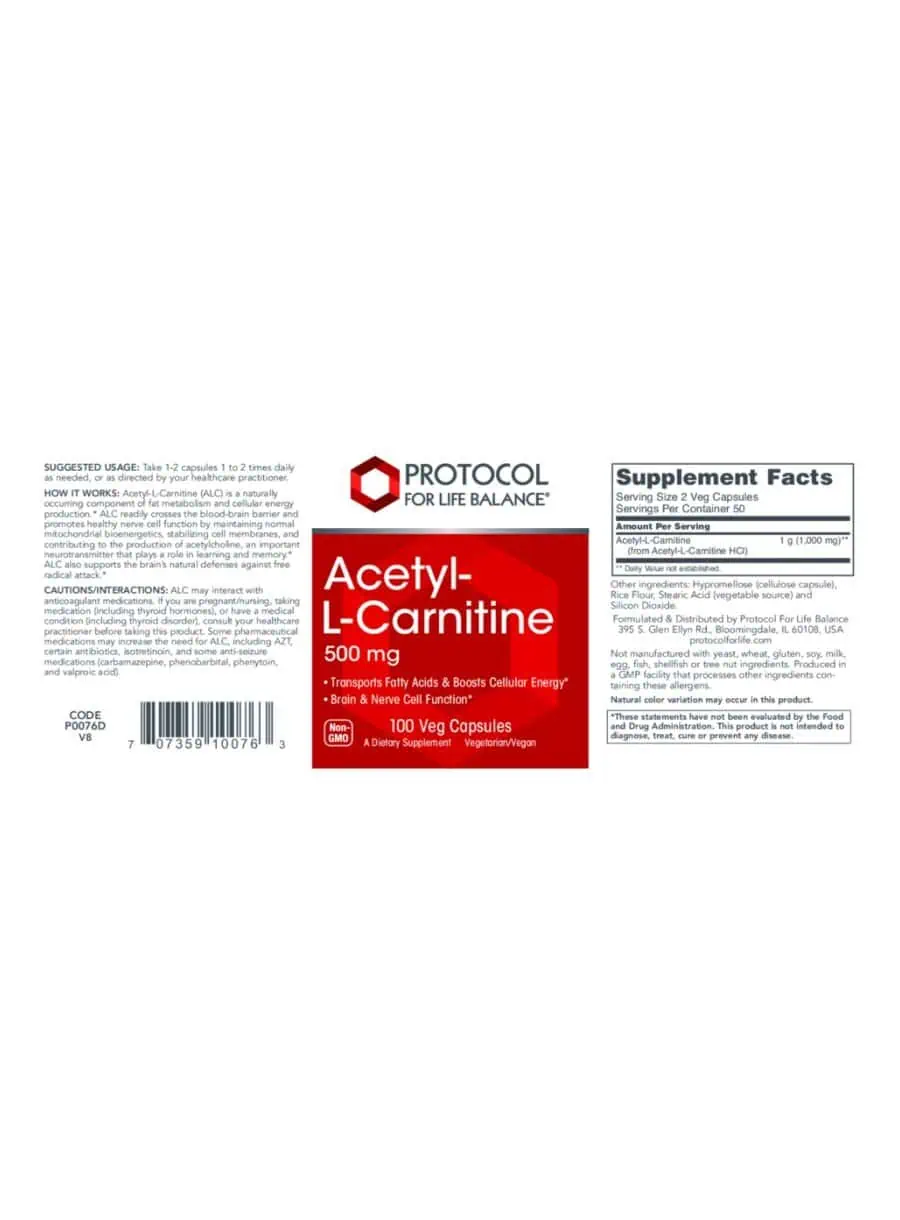
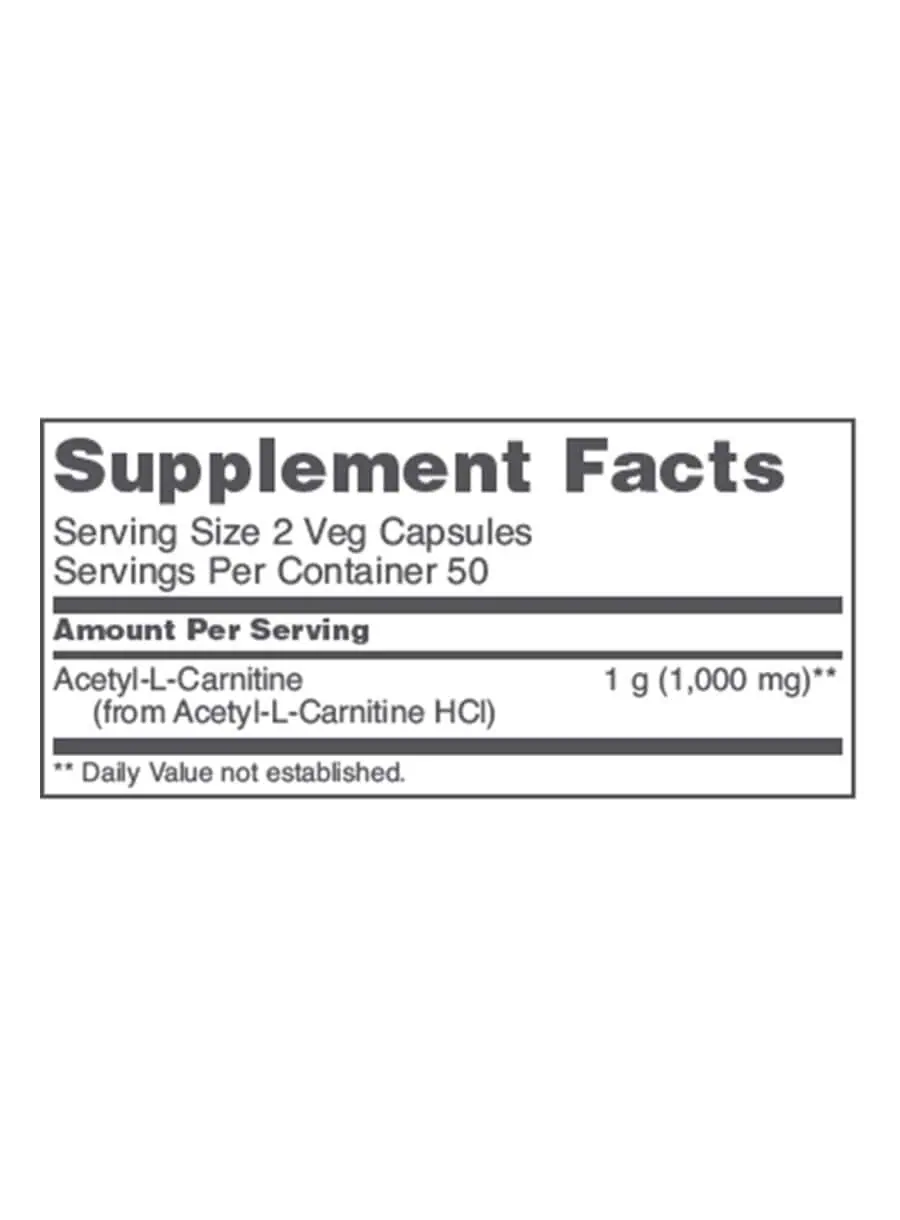
Supplement Facts
Serving Size: One Veg Capsule
Servings Per Container: —
INGREDIENTSAMT%DV
Acetyl-L-Carnitine500 mg*
- (from Acetyl-L-Carnitine HCl)——
†/- Daily Value not established.
Other Ingredients: Cellulose (capsule), Magnesium Stearate (vegetable source) and Stearic Acid (vegetable source).
Contains: —
Does Not Contain: yeast, wheat, gluten, soy, milk, egg, fish, shellfish, tree nuts.
Warning: ALC may interact with anticoagulant medications. If you are pregnant/nursing, taking medication, or have a medical condition, consult your healthcare practitioner before taking this product.
Caution: Some pharmaceutical medications may increase the need for ALC, including AZT, certain antibiotics, isotretinoin, and some anti-seizure medications (carbamazepine, phenobarbital, phenytoin, and valproic acid).